
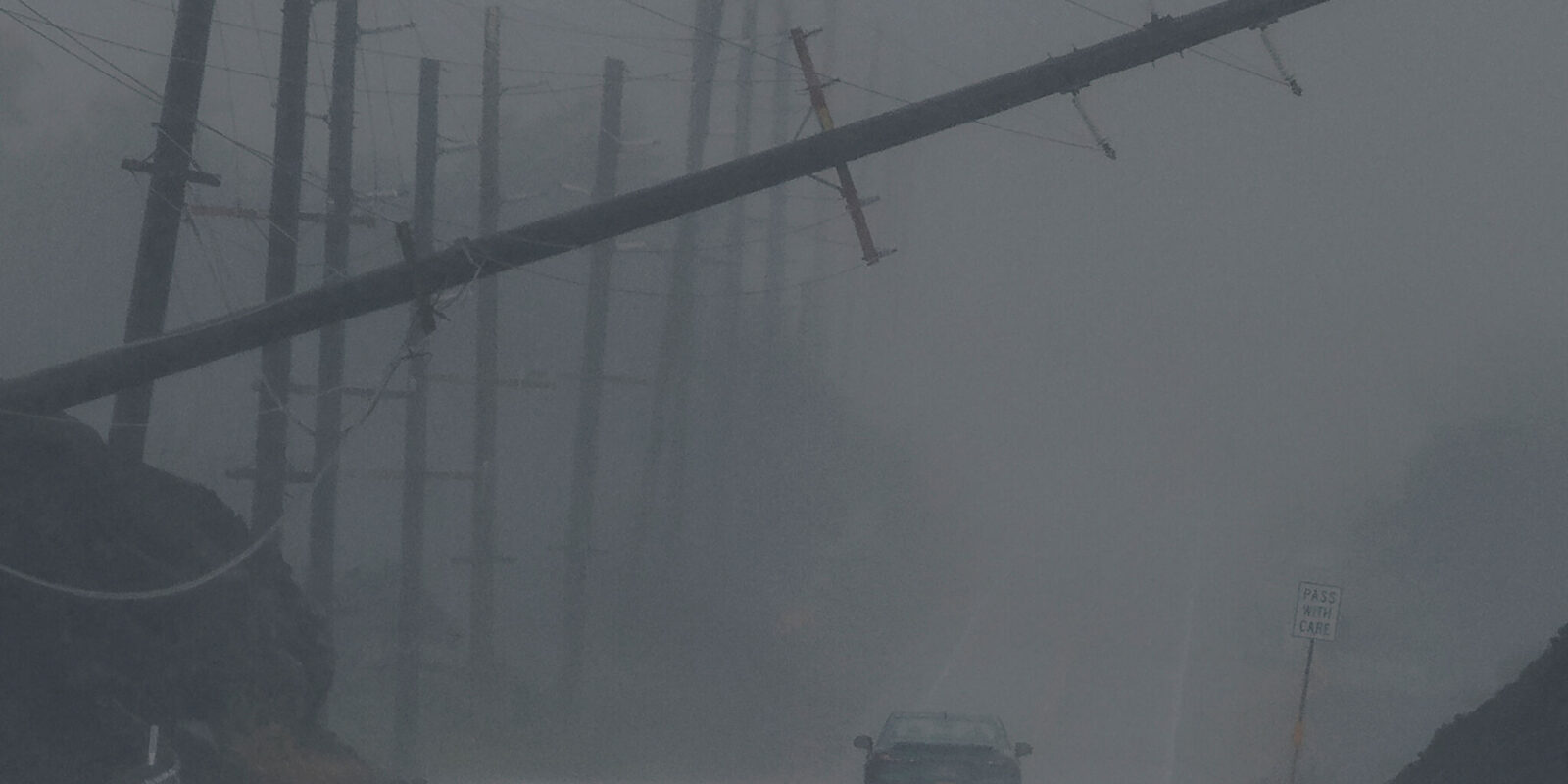
Hurricane Lala hammered the Big Island on Saturday, bringing extreme winds and torrential rains as it brushed past the coast. Although the storm did not technically make landfall, its presence triggered the first hurricane warning for Hawaii Island since 2018. The most staggering data came from the summit of Mauna Kea, where weather instruments recorded a massive wind gust of 140 mph early Saturday afternoon. On the ground, residents dealt with downed utility poles along Mamalahoa Highway and widespread disruption as the system transitioned into a full hurricane with sustained winds of 75 mph.
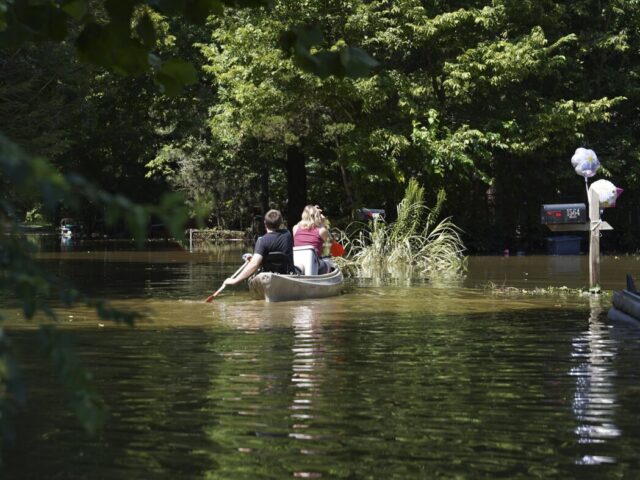
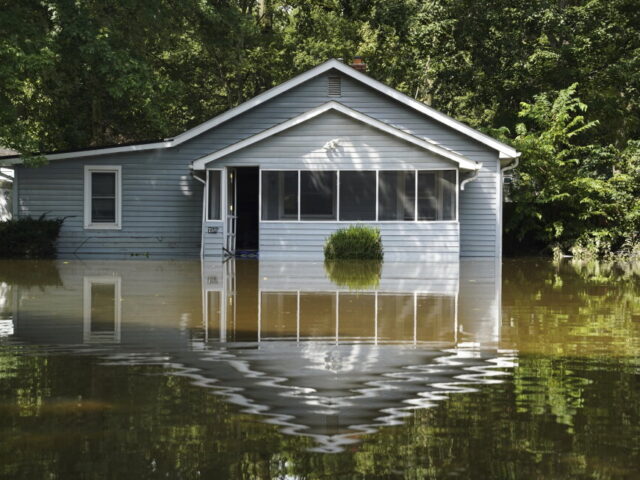
Governor Josh Green urged caution throughout the weekend, describing the situation as serious after declaring a state of emergency and activating the state’s Major Disaster Fund. While wind played a major role in the chaos, meteorologists identified heavy rainfall as the primary threat. Some eastern slopes of the Big Island saw twelve inches of rain by Saturday morning, with total accumulations expected to reach up to 25 inches in certain areas. This deluge raised urgent fears of flash floods and mudslides, particularly in regions with steep terrain where moisture is forced upward and intensified.
Experts suggest that an unusually strong El Niño pattern may have contributed to the storm’s intensity by weakening the wind shear that typically dismantles such systems before they reach the islands. While Hawaii rarely sees direct landfalls due to its small size relative to the vast Pacific Ocean, officials reminded citizens that storms passing nearby can still inflict catastrophic damage. As Lala moves west at roughly nine miles per hour, damages winds are expected to shift toward Oahu and Kauai through Sunday.
As residents continue to fill sandbags and secure their homes against life threatening flooding, authorities are keeping a close eye on whether the storm might pivot toward the northwestern islands. For now, those living on Maui and further west should prepare for tropical storm strength winds between 35 and 45 mph. Governor Green emphasized that predictability remains difficult with these systems, reminding everyone to stay indoors until it is officially safe to venture back outside.