
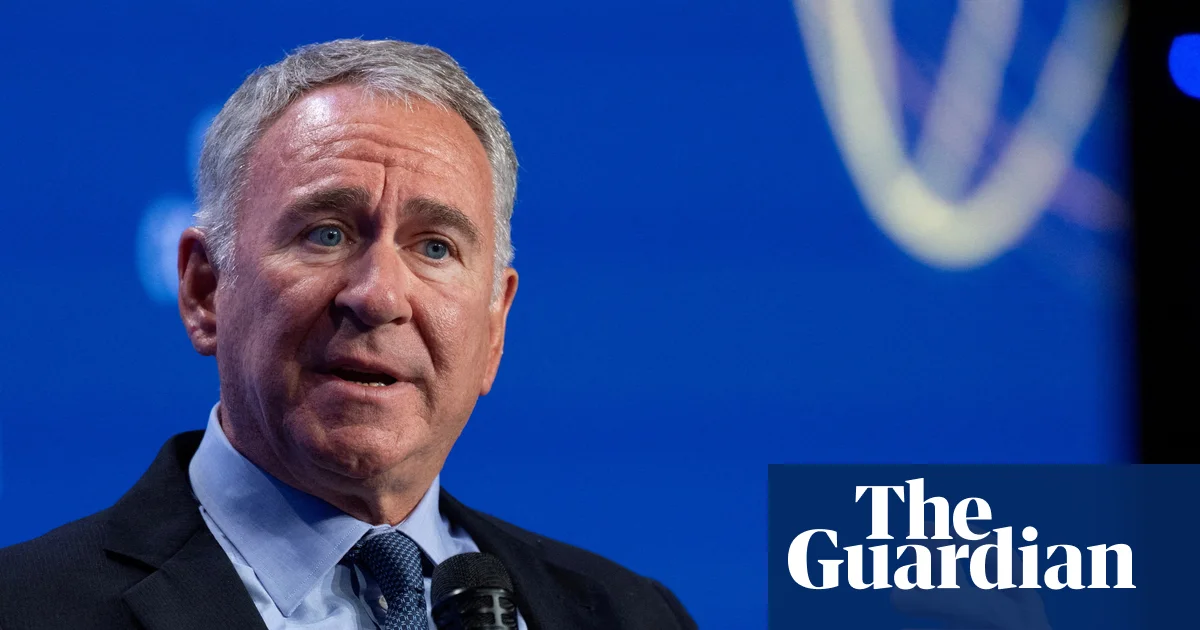
In a move that reshapes the landscape of American higher education, Ken Griffin, the founder and CEO of Citadel, has pledged 3 billion dollars to Carnegie Mellon University. This historic contribution marks the largest single donation ever given to a U.S. educational institution. The funds are earmarked for a dual purpose, fueling both the growth of the university’s established roots in Pittsburgh and the creation of a brand new campus in Miami, where Griffin currently resides and operates his hedge fund headquarters.
A significant portion of the gift will transform the university’s renowned computer science program, which will be renamed the Kenneth C Griffin School of Computer Science. One billion dollars alone is dedicated to this department and broader initiatives like student financial aid. President Farnam Jahanian noted that the infusion of capital arrives at a critical moment as artificial intelligence forces a total rethinking of how students are educated and how research is conducted in an era of rapid technological disruption.
The upcoming Miami campus, scheduled to break ground in 2027, aims to deviate from traditional academic structures. Rather than focusing on standard majors, the facility will organize its curriculum around pressing societal challenges such as national security, climate resilience, human health, and advanced manufacturing. Once complete, it is expected to house over 3,500 students and hundreds of faculty and staff members, further cementing Griffin’s massive commitment to South Florida following his decision to move Citadel out of Chicago two years ago.
This windfall comes amid a growing trend of billionaires pouring resources into science and technology programs to keep pace with AI-driven economic shifts. While celebrations abound at Carnegie Mellon, some observers point to these massive gifts as evidence of the increasing influence wealthy individuals hold over academic priorities. For Griffin, who joins the board of trustees as part of this agreement, the donation continues a pattern of high-profile philanthropy across various sectors while maintaining his position as one of Wall Street’s most outspoken figures on political ethics and corporate governance.