
Two rallies held just days apart and separated by nearly a thousand miles have highlighted the deep ideological chasm currently splitting the American electorate. In Atlanta, Senator Jon Ossoff delivered a blistering critique of Donald Trump, framing the upcoming midterms as a direct referendum on corruption and the rising cost of living. Ossoff connected global instability to the kitchen table, arguing that under Trump’s leadership, everything from groceries to farm equipment has become unaffordable. By painting Trump as a detached leader who prioritizes golf and stocks over the sacrifices of service members abroad, Ossoff provided a visceral alternative to previous Democratic strategies that focused on abstract threats to democracy.
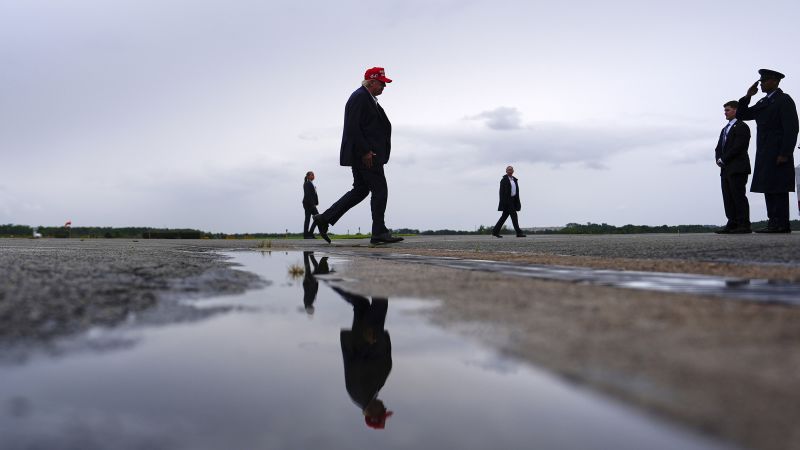
Meanwhile, on Long Island, Donald Trump leaned into a starkly different narrative designed to energize his base and deflect from his own unpopularity. Rather than addressing specific economic grievances or the complexities of the conflict with Iran, Trump characterized his opponents as radicals intent on transforming the United States into a communist wasteland filled with crime and filth. This aggressive approach seeks to brand Democrats as un American extremists, shifting the conversation away from inflation and toward cultural anxiety. His comments regarding the price of gasoline—suggesting citizens should accept higher costs to thwart Iranian nuclear ambitions—revealed a willingness to dismiss affordability concerns that continue to plague his polling numbers.
The clash between these two figures represents more than just a political rivalry; it reflects two entirely different visions of reality for the average citizen. While Ossoff focuses on tangible failures in governance and economics to build a broad coalition of frustrated voters, Trump relies on polarizing rhetoric and fears of ideological takeover to maintain his grip on the MAGA movement. For Democrats, Ossoff’s robust style offers a blueprint for pinning Republican candidates to Trump’s record through sharp, accessible language. For Republicans, the gamble remains whether firing up their core supporters can outweigh the potential alienation of moderates and independents in key swing states.
As both sides prepare for November, the outcome may hinge on which narrative resonates more with those caught in the middle. Governor Wes Moore recently cautioned that any Democratic policy ignoring current economic hardships will fail, suggesting that focus must remain squarely on housing and healthcare costs. As Trump continues to attack progressive wins and label rivals as jihadists or communists, he risks further dividing a country already strained by partisan hatred. Ultimately, these contrasting campaigns reveal a nation where neither side agrees on what constitutes a crisis, leaving voters to choose between an appeal based on material hardship and one fueled by existential fear.